

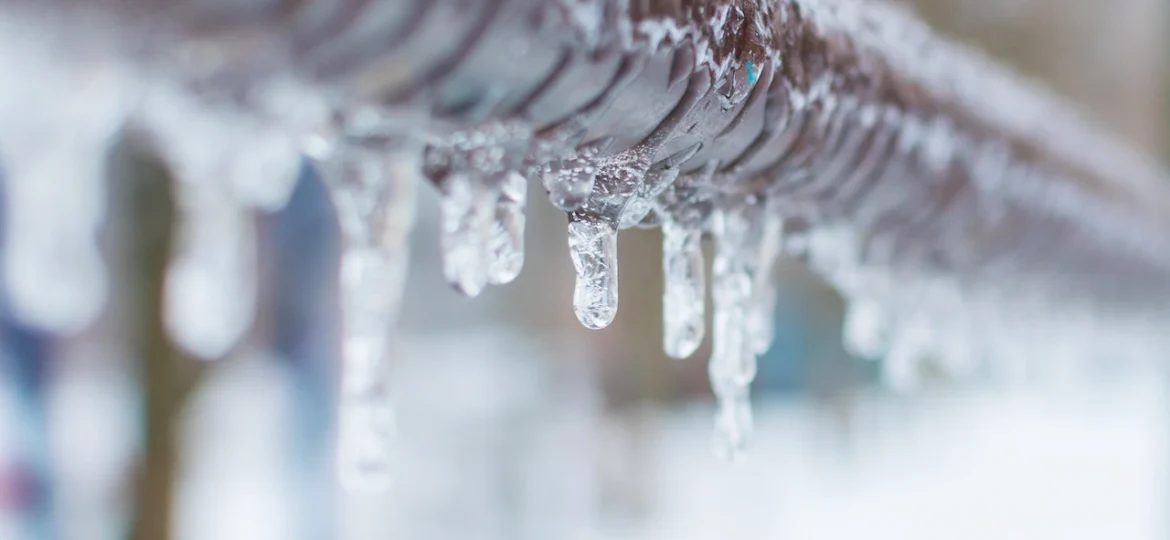
Northeast Ohio winters don’t ease in gradually. One week you’re raking leaves, the next you’re dealing with single-digit wind chills off Lake Erie. That kind of swing is exactly what causes pipes to freeze, and frozen pipes are one of the most common (and most expensive) plumbing emergencies homeowners face between December and March.
At A-Z Plumbing, we’ve spent nearly 20 years responding to cold-weather plumbing calls across Cleveland, Akron, and the surrounding suburbs. Here’s what causes pipes to freeze, how to stop it before it starts, and what to do if it happens anyway.
Why Cleveland and Akron Homes Are Especially Vulnerable
A lot of homes in our service area were built decades before modern insulation standards existed. That means pipes running through unheated crawl spaces, exterior walls, and detached garages often have little more than a few inches of framing between them and the outside air. Add in lake-effect cold snaps that can drop temperatures 20 to 30 degrees overnight, and even well-maintained plumbing systems can be caught off guard.
Pipes are most at risk when they run:
- Along exterior walls with limited insulation
- Through unheated basements, crawl spaces, or garages
- Near outdoor spigots and hose bibs
- Through attics or soffits above living spaces
Warning Signs Your Pipes Are at Risk
Before a full freeze sets in, most homes show a few early signs worth paying attention to:
- Noticeably weaker water pressure at a single fixture
- Frost forming on an exposed pipe or fixture
- A faint metallic or sulfur smell when you run water (a sign trapped air or ice is affecting flow)
- Sections of exterior wall that feel unusually cold to the touch
If you notice any of these, it’s worth addressing before the next cold snap rather than after a pipe has already split.
How to Prevent Frozen Pipes This Winter
Insulate exposed pipes. Foam pipe sleeves are inexpensive and take an afternoon to install on exposed lines in basements, crawl spaces, and garages. Focus on anything within a few feet of an exterior wall.
Let faucets drip during hard freezes. A slow, steady drip keeps water moving through the line, which makes it much harder for ice to form and build pressure.
Keep interior temperatures consistent. Don’t drop your thermostat below 55°F, even when you’re away. The cost of extra heat is minor compared to a burst pipe.
Open cabinet doors under sinks. This lets warm household air reach pipes on exterior walls, especially in kitchens and bathrooms.
Disconnect and drain outdoor hoses. Leaving a hose attached traps water in the spigot line, which is one of the most common freeze points in any home.
Seal drafts near pipe penetrations. Gaps where pipes pass through exterior walls or the foundation let cold air in directly. A little caulk or spray foam goes a long way.
What to Do If a Pipe Freezes
If you turn on a faucet and get little or no water, don’t wait it out. Shut off the main water supply first. This limits damage if the pipe has already cracked and hasn’t shown it yet. Then apply gentle heat with a hair dryer or space heater near the affected section, working from the faucet back toward the blockage. Never use an open flame.
If you can’t locate the frozen section, or the pipe is behind a wall or underground, that’s the point to call in a licensed plumber rather than risk making things worse.
Signs of a Burst Pipe
A frozen pipe that’s already cracked usually shows itself fast: sudden drops in water pressure, water stains spreading across a ceiling or wall, or standing water where there shouldn’t be any. Underground burst lines are trickier and often show up as unexplained wet spots in the yard or a spike in your water bill with no obvious cause.
If a line has burst underground, excavation may be needed to access and repair it. For freeze damage affecting your water heater, our hot water tank repair team can get things running again quickly. And if a hard freeze has pushed debris or ice into your sewer line, a video camera inspection is the fastest way to confirm what’s going on before any digging starts.
When to Call a Licensed Plumber
Winter plumbing emergencies don’t wait for business hours, which is why our team offers scheduled and emergency service across Cleveland, Akron, and the surrounding suburbs. If you’re dealing with a suspected freeze, low pressure that won’t resolve, or visible water damage, schedule a service call and we’ll get a licensed, bonded, and insured plumber out to assess it. Current customers can also check our online coupons before booking.